Types Of Orthodontic Treatment
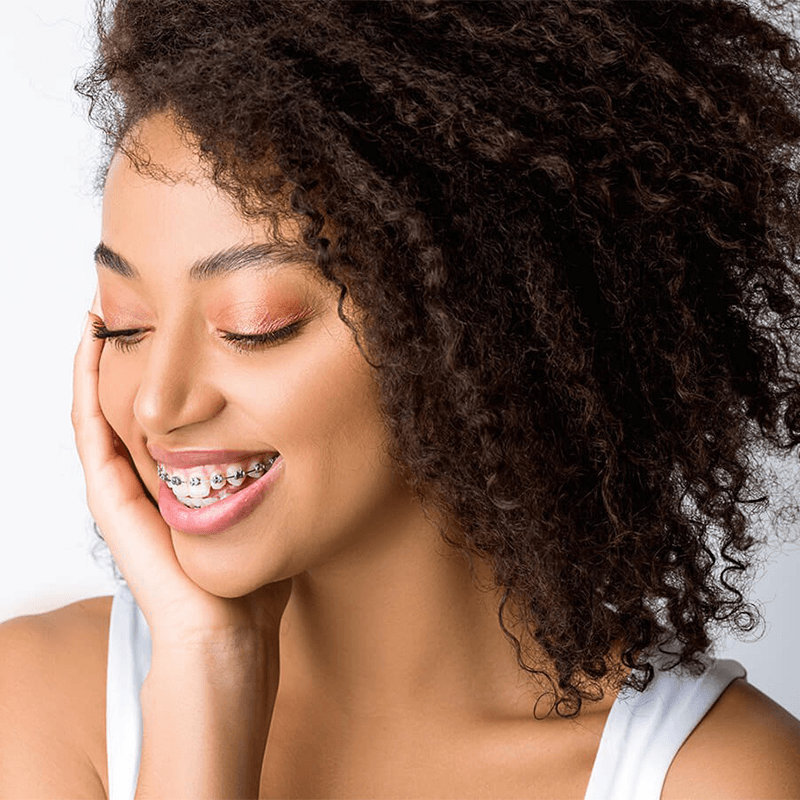
At Cheek - Hill Orthodontics, we use various appliances to help correct your teeth and give you a more comfortable bite. Appliances aid braces in leveling and aligning various bite types to achieve the best possible results.
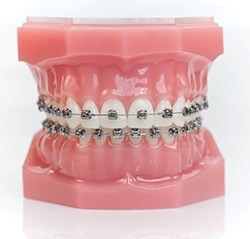
Self-ligating braces are the most common bracket that we use in our office. They are made from a high-grade stainless steel, and unlike "traditional" braces, self-ligating braces do not require the use of elastics to hold the wire into place. This translates to fewer appointments and less friction being placed on the tooth because the bracket itself will hold the wire into place with a specialized clip (door) instead of needing an elastic to hold the wire in. That said, some of our patients love the look of a little color on their braces, so we can also add some razzle-dazzle with colored ties if the patient prefers. Either way, the one big takeaway here is that the brackets are smaller than traditional metal braces, so they are easier to clean and more comfortable to our patients.
Our clear braces are the same style as our self-ligating metal braces, but they are made of clear materials and are therefore less visible on your teeth than metal braces! They are made out of porcelain, so they are used only on the upper arch since they would be too abrasive for the lower teeth to bite into them. The clear braces are slightly larger in size than the metal braces, but a nice alternative for the patient looking for the least noticeable option! Clear braces are used mainly on older teenagers and adult patients who have cosmetic concerns.
Clear Invisalign® aligners are a series of invisible, removable, and comfortable acrylic trays that straighten your teeth. They're effective like braces, but they're barely visible and removable. That means you can eat and drink what you want while in treatment — plus, brushing and flossing are less of a hassle. The aligners are comfortable and have no metal to cause mouth abrasions during treatment. With Invisalign treat,ent, you may still need to wear some elastics to position your bite, much like braces. Your orthodontist will let you know if your specific case would require elastics. Every Invisalign case will use what is called attachments. Attachments are "positives" of translucent glue that is added to some of your teeth to achieve the desired movements your orthodontist has programmed into your case. This will be expalined to you in detail if you are considering Invisalign aligners.

